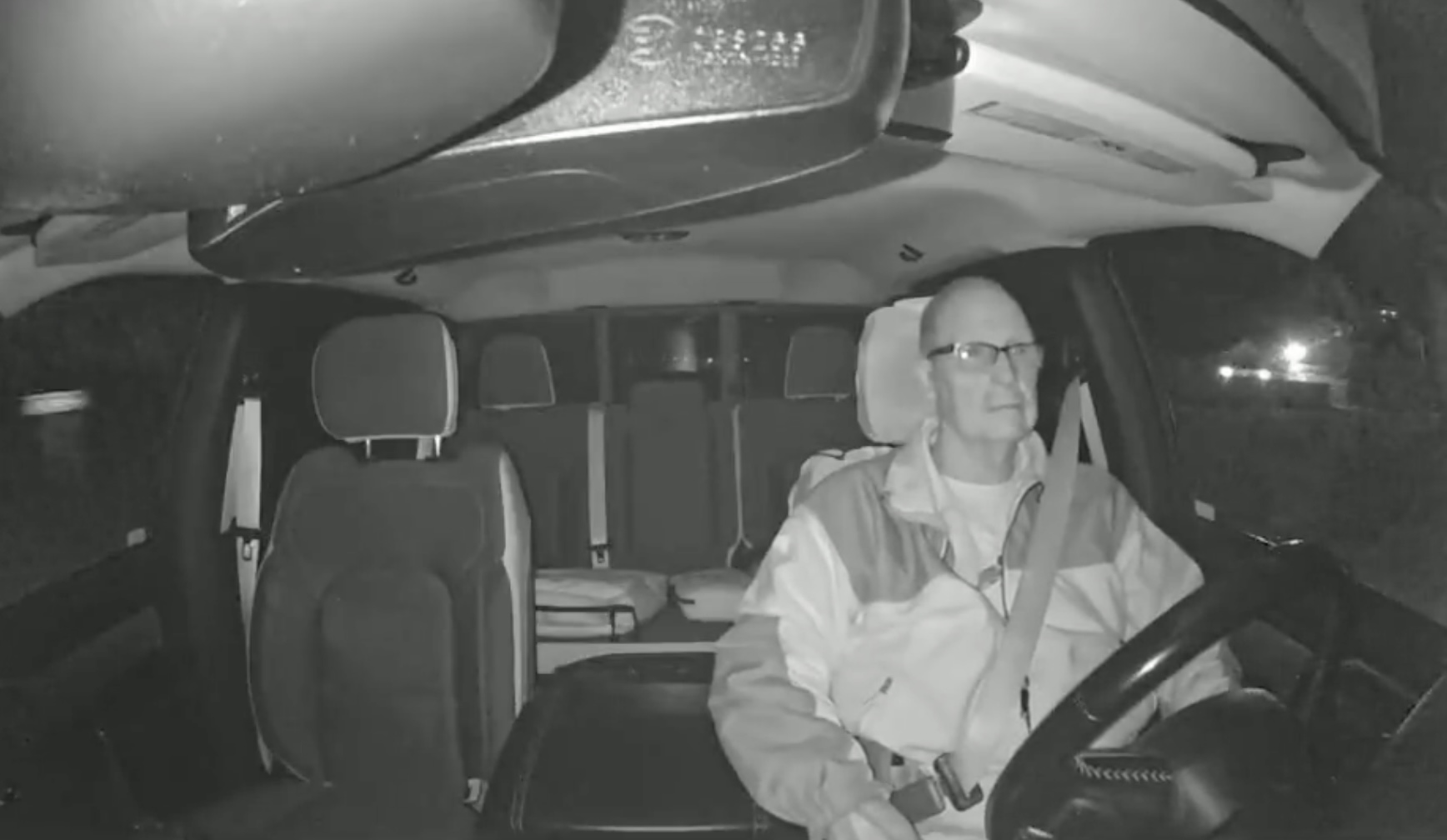

At approximately 3:30 a.m., during a routine overnight patrol, Hana Officer Richard Keaser was driving off-site as part of his normal supervisory checks when a deer suddenly bolted across the road at full speed.
What could have easily turned into a serious accident was avoided in under a second—not by luck, but by training and awareness.
Richard, a retired New Jersey State Trooper, was working the 12 a.m. to 8 a.m. shift. He knew the risk. That road is known for deer activity, and years of experience had conditioned him to scan not just the road ahead, but the surrounding environment.
Richard states, “Most of the time the threat is not in front of you. It's coming from the sides… That's what people don't see."
When the deer entered his field of vision at full gallop, he didn’t panic. He reacted. Take a look at this video to see how quickly he acted and how precisely he adjusted. Richard adds, “The bigger the moves, the uglier it gets. You want to be quick with the moves, because the car is going to react quickly. If you move too fast, too much, you're in trouble.”
Using defensive driving techniques ingrained through training, Richard made a controlled, minimal steering adjustment—shifting lanes just enough to give the deer time to pass safely. Simultaneously, he applied braking pressure without locking the wheels, maintaining full control of the vehicle.
The entire sequence happened in half a second.
Chaos doesn’t operate on a schedule. It shows up at 3:30 a.m. When fatigue is high and traffic is low, the risk of complacency increases.
Richard avoided disaster because of these three key factors:
1. Awareness of his environment
2. Disciplined adherence to training
3. Controlled decision-making under pressure
For Hana officers, the takeaway is simple. Stay alert. Scan constantly. Trust your training. Threats rarely announce themselves. They come from the unexpected margins. The problem you don’t see coming is the one that matters most.